

Better access, better care: six months of the Northwest PACS portal
Six months after launch, the Northwest PACS portal is helping clinicians access radiology images across organisational boundaries, supporting faster decisions and avoiding unnecessary repeat examinations. Discover how Shaping Cloud helped deliver the platform and what it means for patient care across the region.
AI inherits your identity debt – and pays it back with interest
AI doesn’t create identity issues, it just exposes the risks already there. In this latest blog in our Identity First series, our CEO, Helen Gerling, sets out why AI exposes and amplifies identity risks and how to tackle them before they become a problem.
The Identity Dividend: Why Getting IAM Right Is a Business Case, Not a Security Cost
Getting Identity right is foundational to so much of sound technical architecture nowadays and poor identity is being exposed every day with the dawn of real AI. This article has been written by our CEO, Helen Gerling, to support technology leaders in winning the investment needed to get Identity right - finally unearthing this once obscure area of IT as a key business investment with solid ROI.

Shaping Cloud CEO featured in IT Channel Oxygen's Partner Leaders 2026
CEO, Helen Gerling, has been featured in IT Channel Oxygen's Partner Leaders 2026. The publication brings together perspectives from some of the UK's leading channel CEOs and managing directors, exploring what drives successful leadership, strong partnerships, and sustainable growth. In her contribution, Helen discusses the values, mindset and approach that continue to shape Shaping Cloud's success.

The shape of success: what real cloud migrations have taught us
Cloud migrations rarely go exactly to plan. While technology is an important part of the journey, it's often the overlooked assumptions, hidden dependencies and planning decisions that determine whether a project succeeds or struggles. Drawing on real-world delivery experience, we explore six practical lessons that consistently help organisations reduce risk, avoid costly surprises and deliver smoother migrations to Azure.
IAM pitfalls and how to avoid them: the hidden risks in cloud environments
Even well-managed cloud environments can accumulate hidden identity risks over time. In the second part of our Identity First series, we explore the most common IAM pitfalls facing organisations today - from over-permissioning and privilege creep to shadow IT and AI-driven security challenges -and share practical steps to strengthen governance, reduce risk and build a more resilient cloud identity strategy.
Identity: the new security perimeter - Why IAM matters more than ever
Identity is no longer just about managing logins - it's the foundation of modern cybersecurity. In this three-part series, we explore why Identity and Access Management (IAM) has become business-critical, the risks of getting it wrong, and how organisations can use Azure to build a more secure, resilient and scalable identity strategy.
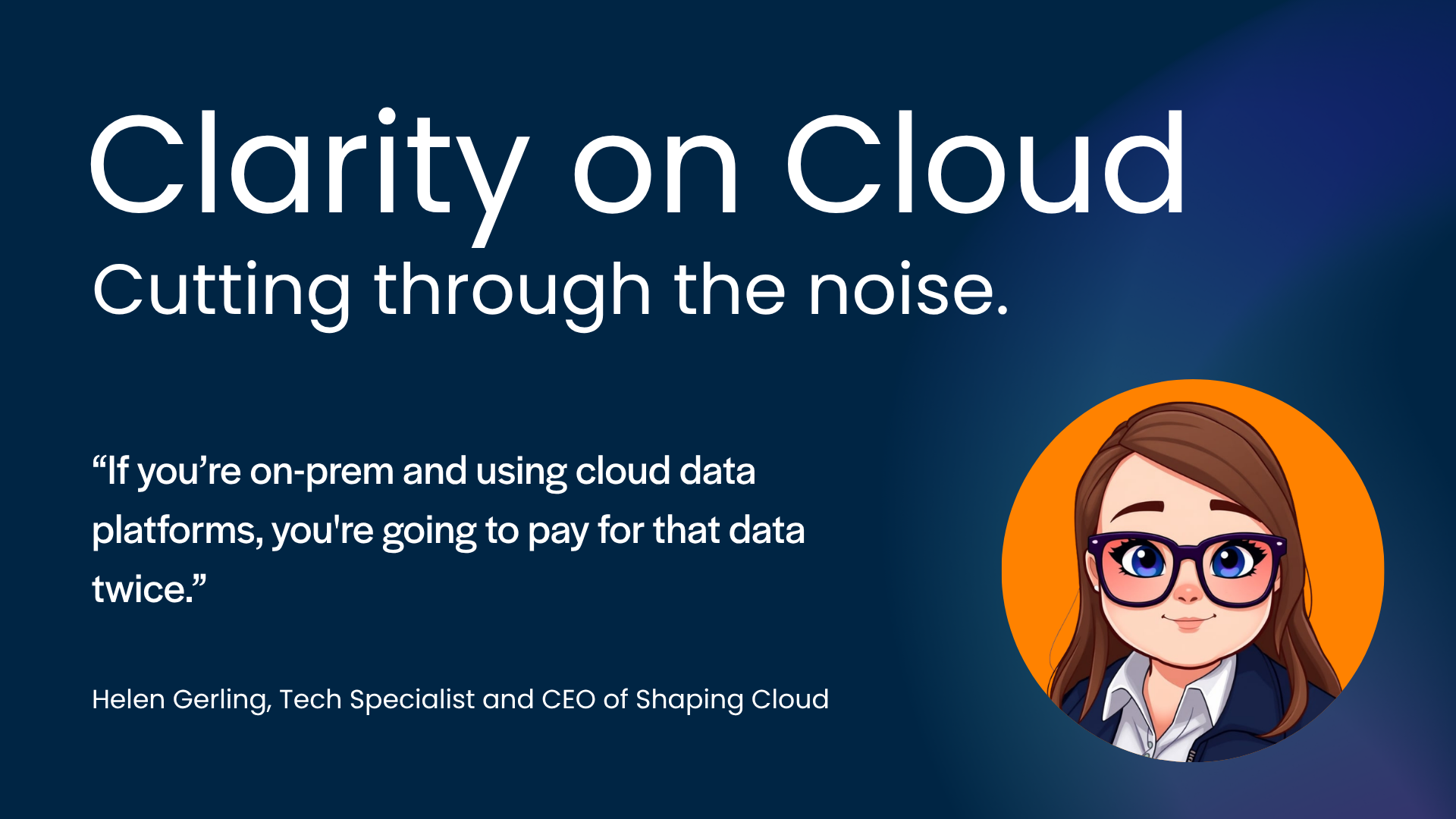
The Hidden Cost of "Saving Money" On-Prem: Why Your Cloud Comparison Is Wrong
In this follow-up to his previous Clarity on Cloud article on cloud economics, Shaping Cloud CEO Helen Gerling explores the hidden costs often missed in on-prem versus cloud comparisons - from duplicated data platforms to the impact infrastructure risk can have on enterprise value.
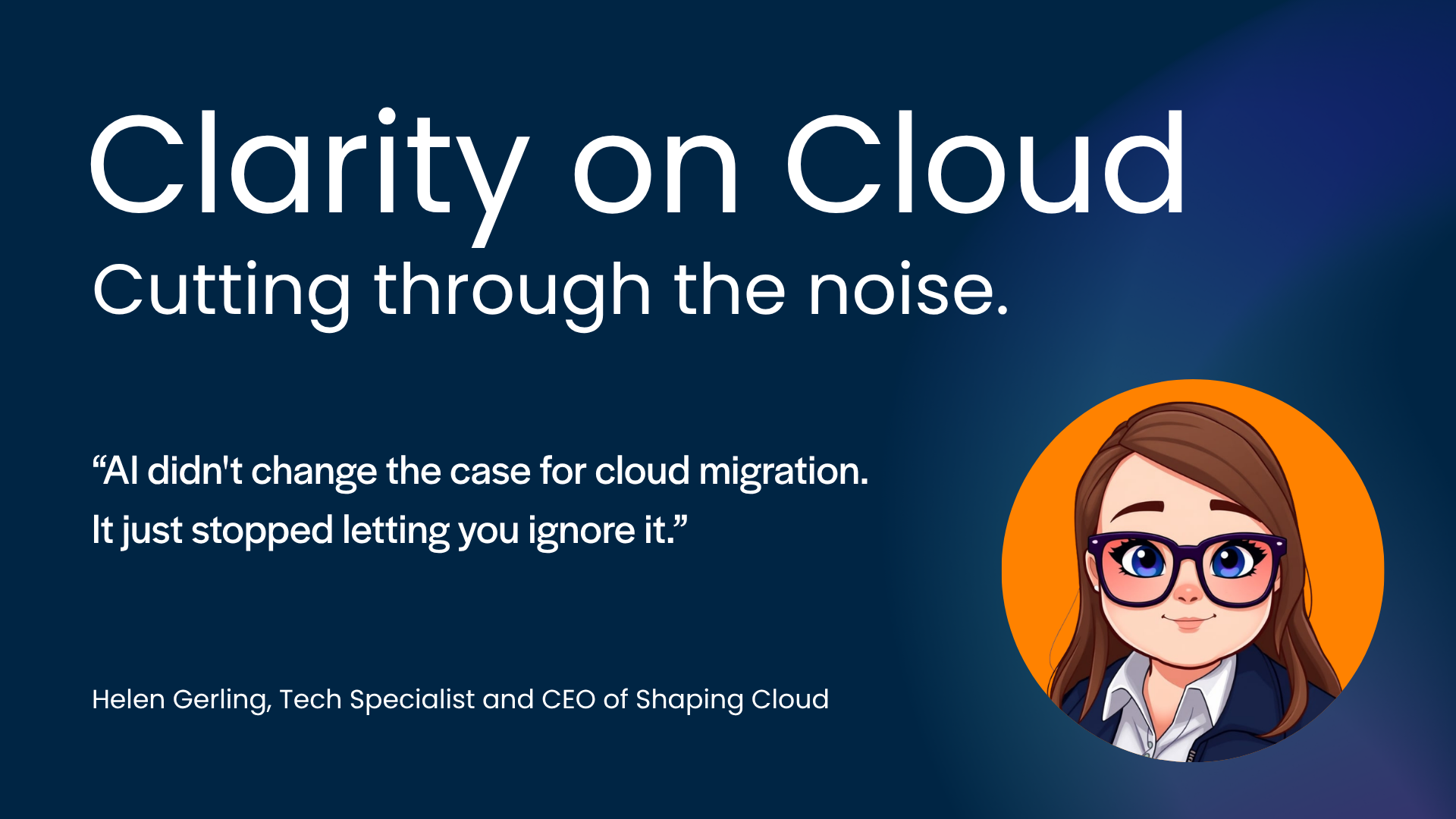
If you're still in a data centre, AI just made it more urgent. Not less.
In the latest Clarity on Cloud from Shaping Cloud CEO Helen Gerling, Helen explores why the cost of delaying cloud modernisation has fundamentally changed. As AI, cyber resilience and governance pressures accelerate, organisations can no longer afford to treat cloud migration as a future problem - or approach it with a lift-and-shift mindset.

Looking ahead to the Spring IT Directors’ Forum
Ahead of the Richmond IT Directors’ Forum - Spring, we’re looking at the conversations shaping technology leadership in 2026. From AI readiness and cloud transformation to Azure cost optimisation and operational resilience, the event provides an opportunity to explore the priorities influencing modern IT strategy - and the themes our team will be discussing throughout the forum.

The shape of success: lessons learned from real-world AVD deployments
Azure Virtual Desktop offers flexibility, scalability, and secure desktop delivery - but successful deployments depend on more than the technology itself. Drawing on real-world experience, this blog explores the lessons that emerge when AVD moves from proof of concept into production, and the decisions that shape long-term success.
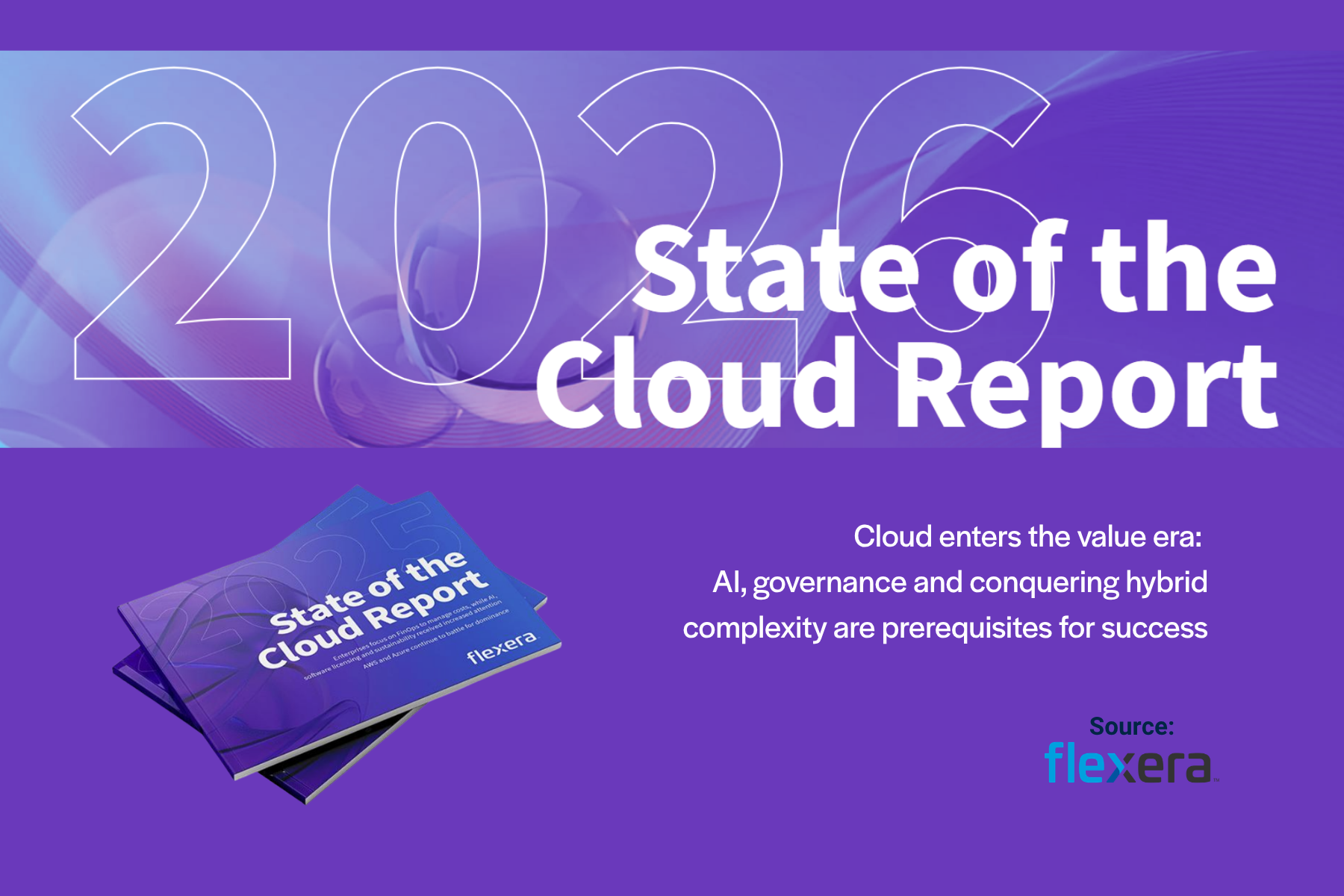
Cloud has grown up. Now it has to prove its value.
Cloud has matured, and expectations have changed. Using insights from the latest report by Flexera, we look at why the focus is shifting from cost alone to value, visibility and control - and what that means for organisations running modern cloud environments.

Migration gets you to Azure. Managing it decides how far you get.
A successful Azure migration creates opportunity - but long-term value depends on how well it’s managed. This blog looks at what comes next, where things can drift off track, and what it takes to keep delivering on the promise of the cloud.

North West imaging portal programme reaches new milestone with PACS sharing launch
The North West regional imaging portal programme has reached another key milestone with the launch of a new PACS portal that enables NHS organisations to securely share radiology images across the region.
The announcement from the Greater Manchester Diagnostics Network marks the next step in modernising diagnostic imaging infrastructure across the North West. Shaping Cloud is supporting the programme as part of the ongoing modernisation of the regional imaging portal platform.
Clarity on Cloud - The truth about Microsoft MACCs
In the latest instalment of Clarity on Cloud, our CEO Helen Gerling explores one of the most widely used, and often misunderstood, commercial constructs in enterprise cloud: Microsoft Azure Consumption Commitments (MACCs). She examines why organisations often struggle to realise the value of these agreements and what needs to be in place to turn a commitment into real cloud transformation.

What they don’t tell you about cloud migrations…
Migrating to the cloud sounds straightforward: move systems, modernise infrastructure, unlock innovation. But the reality is far more complex. From hidden dependencies to governance challenges and operational readiness, many migration programmes succeed or fail before anything ever reaches Azure.
Clarity on Cloud: Azure Virtual Desktop (AVD) - Why people are really leaving Citrix (and what they're not being told)
Clarity on Cloud is our CEO Helen Gerling’s perspective on the real commercial and architectural forces shaping modern cloud decisions.
In this latest offering, Helen discusses how organisations aren’t moving from Citrix to Azure Virtual Desktop (AVD) because it’s fashionable - they’re responding to shifting economics, control, and security realities. This article explores what’s really driving the change, where AVD genuinely simplifies the model, and the hidden architectural and cost pitfalls that can derail a poorly planned migration.

Living with Azure Virtual Desktop: what effective ongoing management really looks like
Migrating to Azure Virtual Desktop (AVD) can feel like a major milestone: legacy platforms retired, users successfully cut over, project complete. But in reality, migration is not the finish line – it is the starting point for a new phase of ongoing operational responsibility. AVD is a powerful, flexible service sitting at the heart of your Azure and Microsoft 365 ecosystem, and it demands active, informed management to consistently deliver performance, security and cost efficiency. In this blog, we explore what effective ongoing AVD management really involves, where organisations commonly encounter operational strain, and why the right blend of tooling, experience and clear ownership makes all the difference long after migration day.

Moving to Azure Virtual Desktop: what a successful migration really involves
For many organisations, the move away from Citrix isn’t driven by enthusiasm for change, but by growing pressure. Rising licensing costs, increasing complexity and a wider shift towards Microsoft 365 and Azure are prompting a reassessment of existing virtual desktop platforms. Azure Virtual Desktop (AVD) is an increasingly attractive option, but migrating successfully is not a simple like-for-like swap. Understanding what a good AVD migration really involves is critical to avoiding unnecessary risk and complexity.

Technology, People and Purpose: Helen Gerling in Conversation with Cloud Decisions and Microsoft Mentors
In this video, Helen Gerling joins the Cloud Decisions Microsoft Mentors podcast to share her career journey, leadership perspective and thinking on how cloud, AI and data can deliver meaningful outcomes when technology is grounded in people and purpose.
The conversation explores pragmatic cloud delivery, inclusive technology cultures and the opportunities emerging at the intersection of hyperscale cloud, artificial intelligence and data science.